
South Florida is one of the best places in the country to run a home service business, and one of the hardest places to stand out. Every ZIP code has a dozen roofers, a dozen landscapers and a dozen people with a truck and a trailer. Homeowners know it. They compare more, they read more, and they move on faster than they used to.
We build and run marketing for home service companies across South Florida and the Treasure Coast, from frameless shower glass and landscaping to junk removal, HVAC and kitchen and bath remodeling. This guide is what we've learned, backed by the best data we could find. It's written for owners who are good at the work and want the phone to reflect it.
The market: more competition, less patience
Nationally, remodeling growth is slowing; Harvard's Joint Center for Housing Studies expects home improvement spending to keep losing momentum into 2027 (Harvard JCHS). That doesn't mean the work is drying up. It means the easy growth is gone. When the pie stops growing, the companies that win are the ones taking a bigger slice of it.
South Florida adds its own pressures. Insurance rules push roof and window decisions. Storm season creates spikes of urgent demand. New construction and second homes bring buyers who expect a premium experience. And because so many businesses compete in every city, the homeowner's short list gets built in minutes, on a phone, before anyone picks up a call.
How homeowners actually choose a contractor now
Referrals still matter. In a 2025 homeowner survey by Roofing Contractor and Owens Corning, 74% said they'd follow a recommendation from a neighbor, friend or family member, and about 62% would call a roofer they'd used before. But half said they also use search engines, and about 62% rated online reviews very or extremely important (Roofing Contractor). In practice, even a referral gets checked online. The homeowner hears your name, then searches it.
What they find in that search decides the call. Here's what the data says they look for.
1. Reviews: the first filter
Reviews have become a hard gate. In BrightLocal's 2026 consumer survey, 68% said they require at least four stars, most care about reviews from the last few months, and nearly half won't use a business with fewer than 20 reviews (BrightLocal). Volume, rating and recency all count. A great company with 12 reviews from 2022 loses to a good one with 140 from this year.
2. Speed: the tiebreaker that isn't a tie
Jobber's 2026 survey of 1,050 home service business owners found that over 70% of customers expect a same-day response and about 56% expect one within an hour. Yet only 20% of pros reply within the hour, and HVAC is among the slowest trades (Jobber). The research on this goes back years: a Harvard Business Review study found firms that contacted leads within an hour were nearly seven times more likely to qualify them than firms that waited even one hour longer (HBR).
3. AI: the new first stop
Nearly half of consumers now use ChatGPT or other AI tools to find local businesses (BrightLocal). On Google itself, AI summaries reduce clicks: Pew Research found users clicked a result in 8% of visits that showed an AI summary, versus 15% without one (Pew Research). Fewer clicks means the few that happen go to the businesses AI tools and Google can confidently recommend.
The five-part system the winners run
Every trade is different, and we'll get to that. But the companies that consistently win in South Florida all run the same underlying system. Miss one part and the rest leaks.
| Stage | What the homeowner does | What wins it |
|---|---|---|
| Found | Searches Google, Maps or asks AI | Pages for every service and city, a complete Google profile, AI-readable details |
| Trusted | Compares 3 to 5 companies in minutes | Recent reviews, real project photos, license and insurance up front |
| Answered | Calls, texts or fills a form | A live answer or an instant text back, day or night |
| Followed up | Gets 2 or 3 quotes, then goes quiet | Fast, friendly follow-up until they decide |
| Measured | Books, or doesn't | Tracking from search to booked job, so budget goes where jobs come from (see how we track it) |

Trade by trade: what wins the call
Homeowners don't search for a roofer the way they search for a junk hauler. The urgency, the price, the trust question and the decision timeline are different for every trade, so the marketing has to be too. Here's how we approach each one.
Roofing: trust, insurance and storm season
Roofing in Florida is driven as much by insurance as by leaks. Under Florida law, insurers can't refuse coverage based only on the age of a roof under 15 years old, and older roofs can be required to pass an inspection showing remaining useful life (Fla. Stat. 627.7011). That means many replacements start with a renewal notice or a home sale, not a storm. Homeowners searching here are anxious, comparing several bids and worried about being scammed.
- Lead with credibility: license number, insurance, manufacturer certifications and years in business on the first screen.
- Answer the insurance questions directly: roof age, inspections, wind mitigation and what a new roof can mean for premiums.
- Be ready for storm spikes, when demand jumps overnight and the phone has to get answered.
- Show local proof: finished roofs by neighborhood, with photos, roof type and material.
Impact windows and doors: a considered, high-ticket purchase
Impact windows are an expensive, slow decision, often tied to insurance discounts and hurricane preparation. Florida's My Safe Florida Home program offers free wind mitigation inspections and, when funded, matching grants for upgrades like impact windows (My Safe Florida Home). Buyers research for weeks, so the marketing has to educate and stay in touch.
- Explain the money: price ranges, financing, insurance savings and how grant programs work, in plain English.
- Build pages for each product and each city, because buyers search "impact windows Coral Springs", not "windows".
- Capture the long decision: a free estimate or wind-mitigation guide, then follow-up that keeps you on the short list.
Shower glass and custom glass: sell the finished room
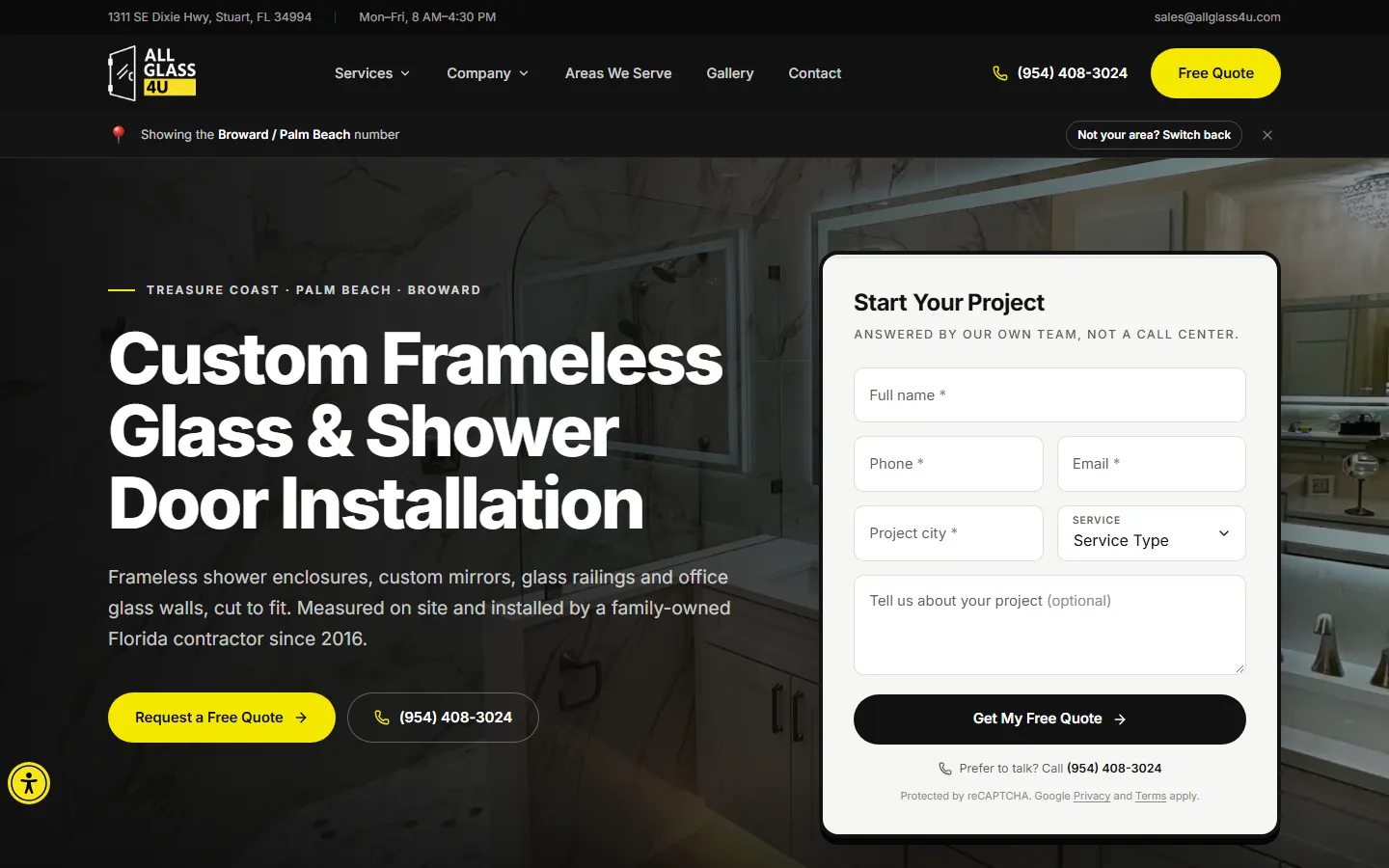
Glass is visual and personal. Homeowners want to see frameless enclosures, hardware finishes and the way light moves through a real bathroom. The company with the best gallery and the fastest quote wins.
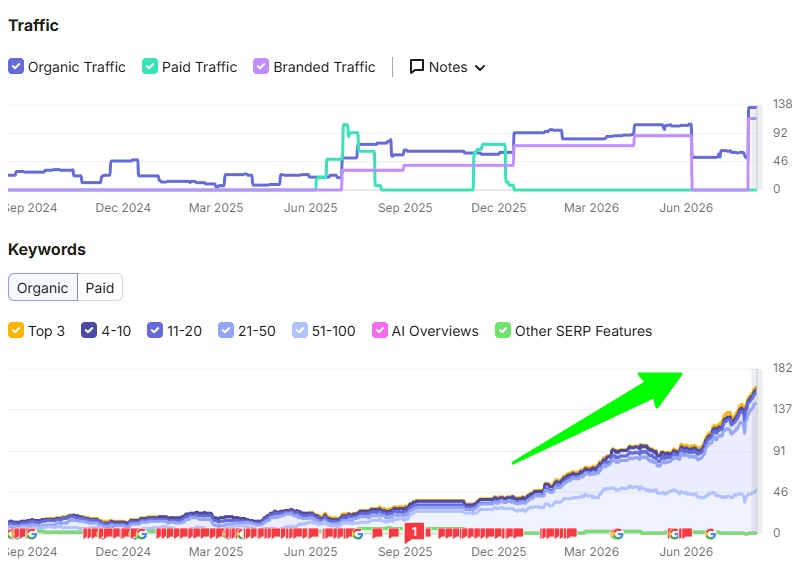
- A real project gallery, organized by style: frameless, sliding, steam showers, mirrors.
- A page for every service and every city you serve, each with local installs.
- A quote request that takes a minute and accepts photos of the space.
Landscaping and lawn care: recurring revenue lives on Maps
Lawn care is local, recurring and price-sensitive. Most homeowners want someone already working on their street. That makes Google Maps the battlefield: a complete profile, steady reviews and service-area pages matter more than anything else.
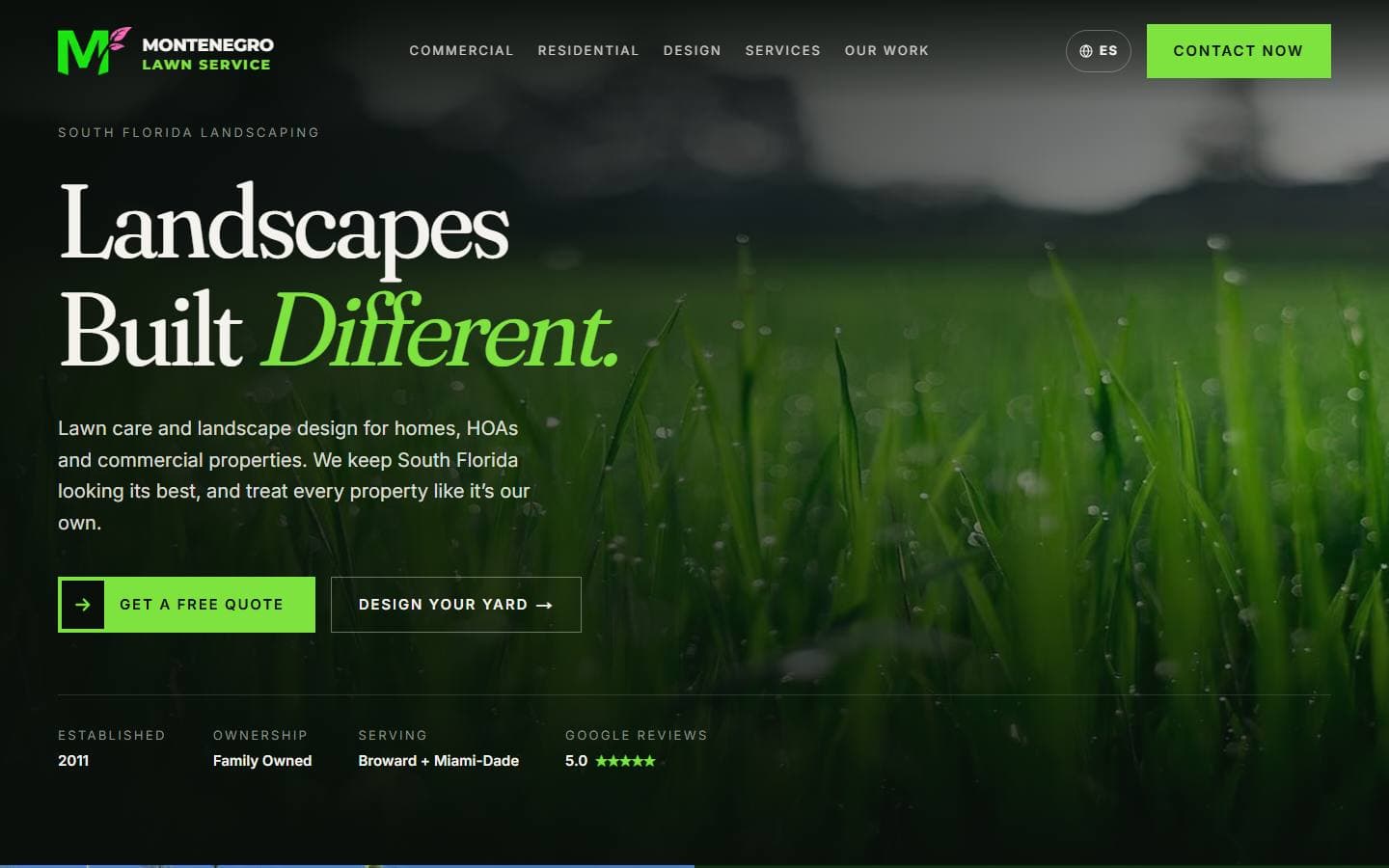
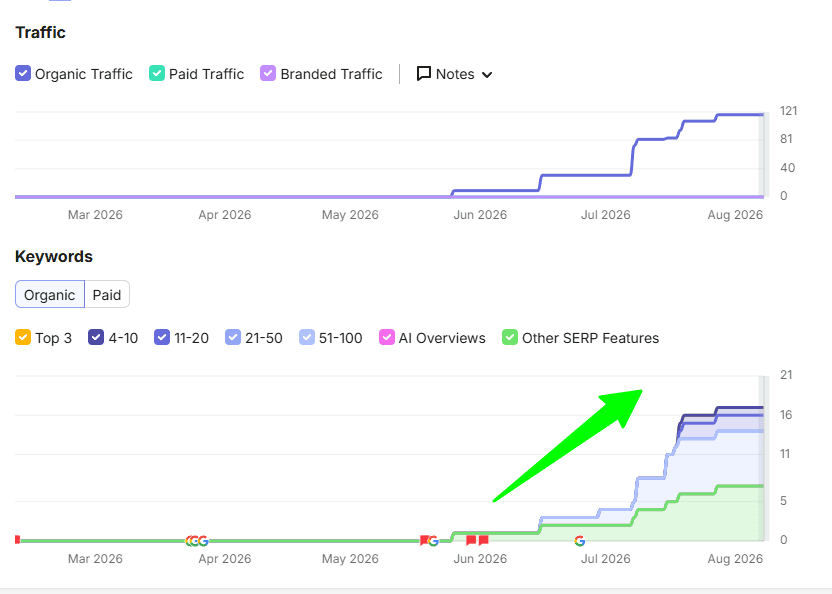
- Be the obvious choice on Google Maps in the neighborhoods you already serve.
- Keep fresh reviews coming in. Homeowners notice when the last one is a year old.
- Make recurring plans easy to understand and easy to sign up for.
Junk removal: urgent, local and won by whoever answers
Junk removal is the purest speed game in home services. Someone is moving, cleaning out a parent's house or finishing a renovation, and they want it gone this week. They call two or three companies and book whoever answers with a clear price.
- Answer every call, or text back within seconds when you can't.
- Show pricing guidance and what you take, so callers arrive ready to book.
- Collect reviews that mention speed and friendliness. That's what the next customer is looking for.
HVAC: emergencies in August, maintenance in January
In South Florida, a broken AC isn't an inconvenience; it's an emergency. HVAC demand spikes with the heat, and the company that answers at 9 p.m. on a Saturday gets the job and often the maintenance plan after it. That's why it hurts that HVAC is among the slowest trades to respond to leads (Jobber).
- 24/7 answering, human or AI, so after-hours emergencies don't go to voicemail.
- Show up first for urgent, near-me searches when the AC goes out.
- Maintenance plans marketed in the off-season, to smooth out the slow months.
Kitchen, bath and tile remodeling: the portfolio is the pitch
Remodeling is the most considered purchase in home services. Homeowners collect photos for months, compare finishes and want to see real rooms before they trust anyone with theirs. In a cooling market, the remodelers who win are the ones whose work is impossible to scroll past.
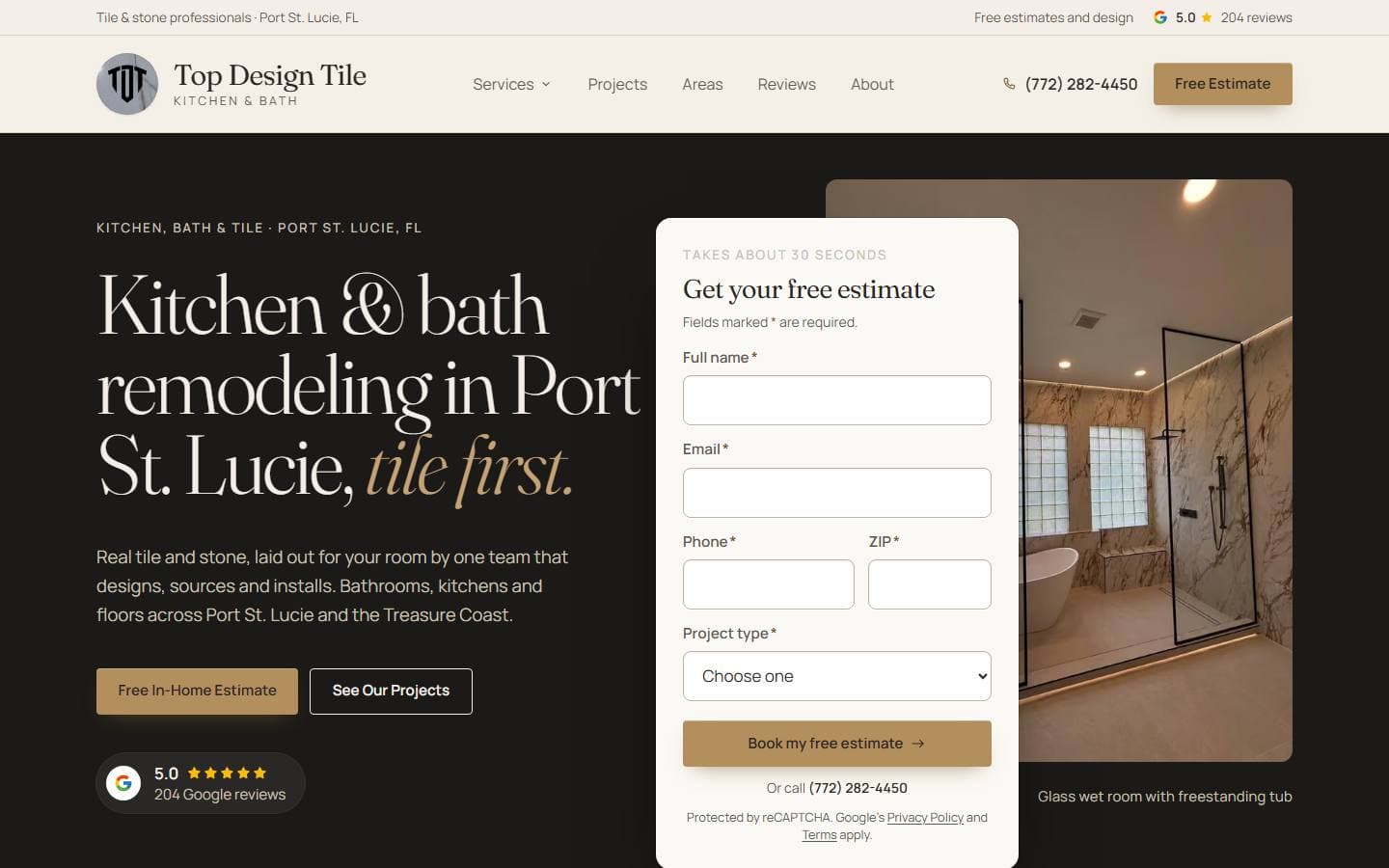
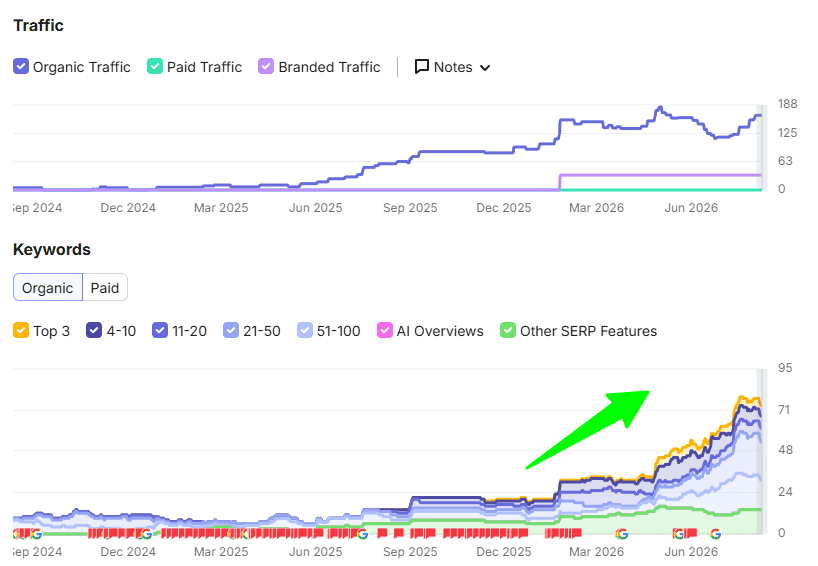
- A page for every room: bathrooms, kitchens, showers, floors, each with finished projects.
- Project stories, not just photos: the material, the problem solved and the result.
- An estimate request that captures the room, budget and timeline in under a minute.
Paid ads: what clicks cost, and what actually matters
Paid search is the fastest way to the top of Google, and it isn't cheap. WordStream's 2026 benchmarks put the average cost per lead for home and home improvement at around $91 (WordStream, vendor data). Google's Local Services Ads often come in lower, depending on trade and season. Note that the old "Google Guaranteed" badge has been replaced by a single "Google Verified" badge, without the money-back guarantee (Nord Marketing).
But cost per lead is the wrong number to obsess over. The number that matters is cost per booked job. A $40 lead that goes to voicemail costs more than a $90 lead that gets answered, quoted and followed up. That's why we never run ads without fixing the answering and follow-up first.
Getting recommended by ChatGPT and Google's AI
AI tools don't pick businesses at random. They lean on the same signals that make a company trustworthy online: clear pages that say exactly what you do and where, consistent business details everywhere, strong recent reviews and mentions on other trusted sites. Google says there's nothing special to add for its AI features; the same helpful, crawlable content that ranks is what gets used (Google Search Central).
- Write pages that answer a homeowner's question directly in the first few sentences.
- Keep your name, address, phone and services identical on your site, Google profile and directories.
- Earn reviews that mention the service and the city, in the customer's own words.
- Be mentioned on the trusted sites AI tools learn from. How our AI search work fits in →
Where to start
There isn't one right order for every company. A roofer heading into storm season, a lawn company adding routes and a remodeler booked three months out each need a different first move. What matters is knowing where your calls come from, where they leak and what each booked job really costs, then fixing the biggest gap first.
That's the part we do with data, not guesswork. Every client gets tracking from search to booked job, so decisions about budget, pages and ads are made on real numbers from their own business.
Why owners work with ProWay
We don't sell packages off a shelf. Every plan is built around the business in front of us: the trade, the towns, the season, the crew's capacity and the owner's goals. A junk removal company that wants more weekday jobs gets a different plan than a remodeler booked three months out who wants bigger projects. Then one in-house team builds it and runs it, month to month, in your accounts and under your name.
We're a Fort Lauderdale growth marketing and AI partner for businesses ready to scale: websites, SEO, Google Maps, ads, AI answering and follow-up, working as one system and reported in calls and booked jobs. If you're good at the work and want the phone to show it, let's talk.
About this guide
Statistics come from the published sources linked in the text and listed below. Several are vendor surveys or vendor datasets and are labeled as such; treat them as directional. Client examples are ProWay Digital clients, shown with their own websites and ranking reports, and no results are claimed beyond what those show. Read our editorial policy.