Custom software · Fort Lauderdale

Custom software built around how your business actually runs.

When spreadsheets, double entry and five apps that don't talk start costing you customers and hours, we build the system your team has been working around: portals, hubs, intake and CRM that fit you, owned by you.

  • Month to month
  • Everything in your name
  • One in-house team
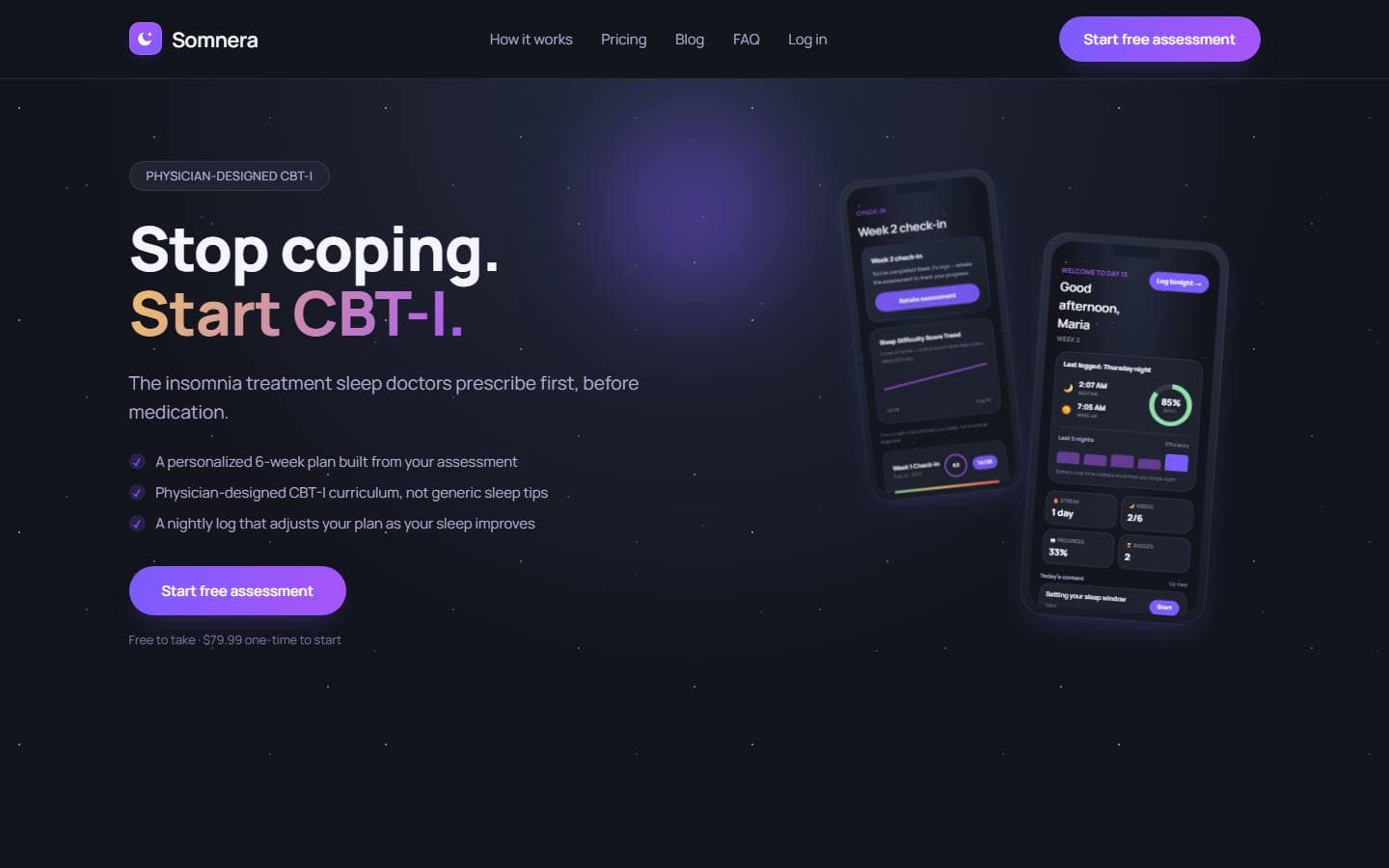
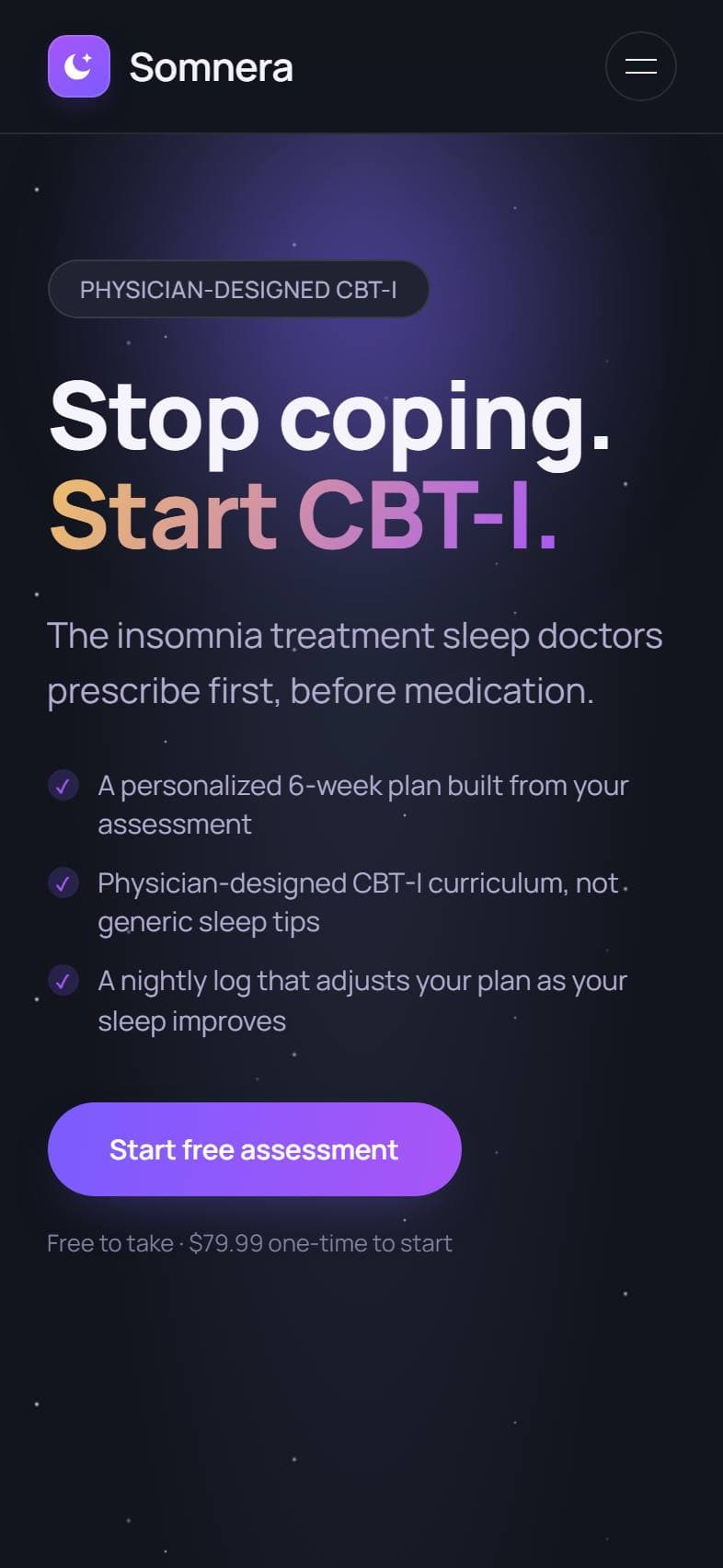
System we built · Somnera

The short answer

What does a custom software development company do for a small business?

A custom software company builds the tools a business can't buy off the shelf: client portals, internal dashboards, booking and intake systems, a CRM shaped around its process, and integrations that make existing apps share data. ProWay Digital builds these for small and mid-size businesses in Fort Lauderdale and South Florida, with practical AI where it saves time, and the business owns the code.

Reviewed by Sergio Reyes, Founder, ProWay DigitalUpdated

Sound familiar?

When the tools start running the business.

If any of these sound like your business, you're leaving customers on the table.

  • Your team types the same customer details into three different apps.
  • The real system is a spreadsheet only one person understands.
  • Leads and requests slip through the gap between your website, inbox and phone.
  • Clients call to ask for updates a portal could show them anytime.
  • You pay for software packed with features you don't use and missing the one you need.
  • You can't see, in one place, what's booked, what's pending and what's producing revenue.

What we do

Business systems, built for how you work.

One in-house team, in your accounts and under your name, focused on booked customers.

  • Client portalsOne login where your clients see status, documents, invoices and next steps, so updates stop living in email threads.
  • Internal hubs and ops dashboardsJobs, tasks, leads and numbers in one view your team opens every morning, instead of a dozen tabs.
  • Booking and intake systemsForms and scheduling that ask the right questions up front, route each request to the right person and confirm right away.
  • A CRM shaped around your processYour stages, your fields, your follow-up rules. Built custom, or set up on a platform you already pay for when that fits better.
  • Integrations between your toolsYour website, calendar, CRM, accounting and practice or field software passing data automatically, so nobody copies and pastes.
  • AI where it saves real timeSummarizing calls and intake forms, drafting replies, sorting and routing requests. Practical help for your team, reviewed by people.

The details

Should your business build custom software?

What we tell South Florida owners before anyone writes a line of code.

When off-the-shelf is the right answer

Most small businesses should not start with custom software. If a well-known tool already handles your bookkeeping, payroll, email or scheduling and your team is happy with it, keep it. Building your own version costs more and adds something to maintain. Custom software earns its place in a narrower set of situations: when your process is part of what makes you different and generic tools force you to bend it; when you pay for several apps and still fill the gaps by hand; when customers or staff need a view of your data that no product offers; or when the work between your tools, re-entering, exporting, chasing, eats hours every week. Often the best answer is a mix: keep the tools that work, connect them, and build only the missing piece. That is usually where we start the conversation, and sometimes it ends with a recommendation to build nothing at all.
Start with one version that does one job well

The projects that go best start small. Instead of specifying every feature up front, we pick the one workflow costing you the most, maybe intake, client updates or job tracking, and build a first version your team can use in real work. Watching how people actually use it tells you more than any requirements document. From there, the next feature is chosen by what the business needs, not by a list written months earlier. This keeps cost in proportion to value and means you are never waiting a year to see something run. It also matters for mobile: most of your customers and many of your staff will open the system on a phone, so we design the screens they use most for a small screen first. A web app that works well on a phone often removes the need for a separate app-store app, which saves time and money for most small and mid-size businesses.

Who owns it, and who keeps it running

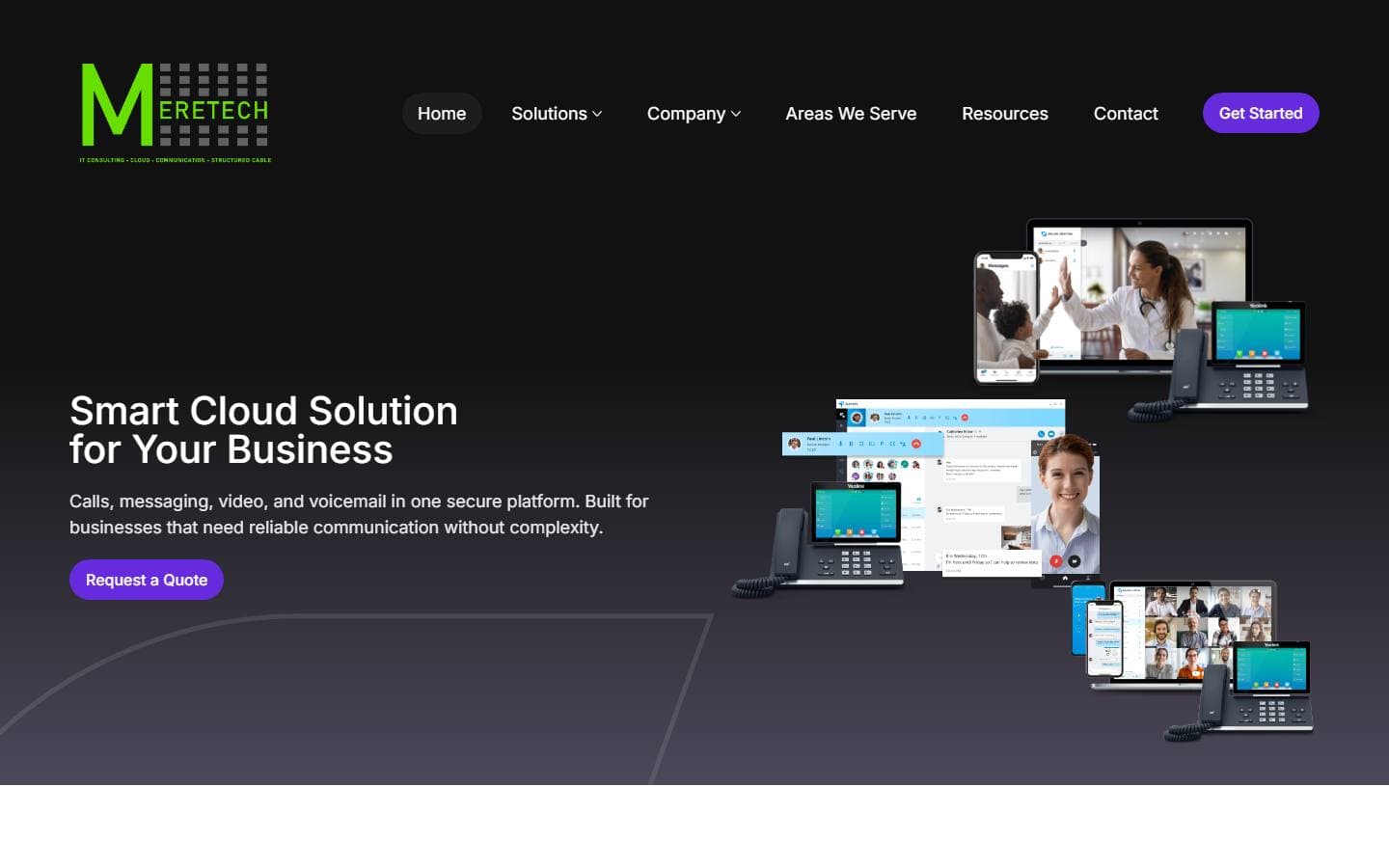
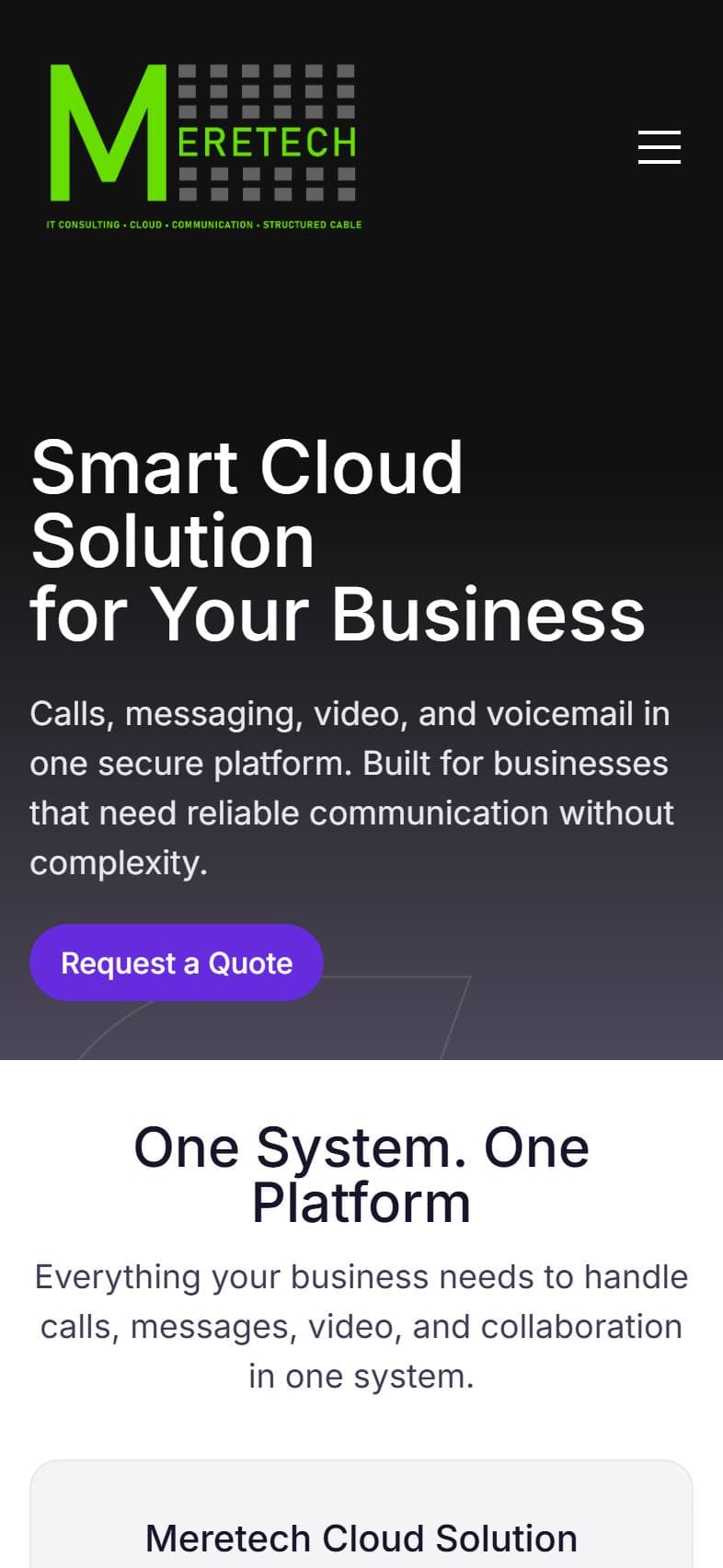
Before you hire anyone to build software, ask two questions: who owns the code, and what happens after launch. With ProWay, you own it. The code, the data and the accounts it runs on are in your name, and every build ships with documentation another developer could pick up. We build with widely used tools, Laravel and Next.js, rather than a private framework only we understand, the same stack behind the ticketing and onboarding platform we built for Meretech Solutions. After launch, software needs care like anything else: security updates, hosting, backups, small fixes and new features as the business changes. We can host and maintain it for you on a monthly plan, or hand it to your own team. Either way, nothing is made deliberately hard to leave. A partner you stay with because the work is good is better than one you stay with because you're stuck.

Side by side

Three ways to get the system you need.

An honest look at the trade-offs for a small or mid-size business.

Best for

Off-the-shelf software
Common needs like accounting, payroll and email
Large dev shop
Large, enterprise-scale platforms
ProWay Digital
Small and mid-size businesses with a process generic tools don't fit

Fit to your process

Off-the-shelf software
You adapt to the product
Large dev shop
Built to spec
ProWay Digital
Built around how your team works, one workflow at a time

Speed to something usable

Off-the-shelf software
Same day
Large dev shop
Often a long discovery and spec phase first
ProWay Digital
A focused first version, then improvements

Who owns it

Off-the-shelf software
The vendor; you rent access
Large dev shop
Depends on the contract
ProWay Digital
You: code, data and accounts, documented

Connects to your marketing

Off-the-shelf software
Through add-ons, if offered
Large dev shop
Usually a separate project
ProWay Digital
Built with your website, leads, follow-up and reporting in mind

Who you talk to

Off-the-shelf software
A support queue
Large dev shop
An account manager
ProWay Digital
The people building it, here in South Florida

How it works

From audit to booked, in four steps.

  1. Free audit

    We look at your site, your Google profile and who outranks you.

  2. Plan and build

    A clear plan, then the pages, profiles and tracking your business needs.

  3. Grow every month

    New content, reviews and improvements, every month, visible on your site.

  4. Report what matters

    Calls, forms and booked customers, not just clicks and rankings.

Software we've built

Products and platforms we've built.

Real sites we built and run. Tap any one to see the full story.

More AI and systems

Built for businesses that want to run smarter.

Each system is planned around how your business already works, then built and run by our own team.

Businesses we build for

Questions

What owners ask before they build.

Straight answers. Ask us anything else on a call.

How much does custom software cost?

It depends on scope: how many workflows, how many tools it connects to, and who uses it. Rather than guess, we start with a free call, look at what you run today, and scope a first version with a clear price before any work begins. Sometimes the honest answer is that an existing tool will do, and we'll tell you.

Do we own the code?

Yes. The code, the data and the accounts it runs on are yours, and every build is documented so another developer could take it over if you ever wanted.

Can you work with the software we already use?

Usually, yes. Most of our work connects tools you already pay for, such as your website, calendar, CRM, accounting or practice and field software, through their integrations or APIs, and builds only the piece that's missing.

Do you build mobile apps?

We build web apps designed to work well on a phone, which covers what most small and mid-size businesses need without the cost of app-store apps. Somnera, the sleep program we built for a Fort Lauderdale physician, is one example. If your project truly needs an app-store app, we'll talk it through.

Who hosts and maintains it after launch?

We can host and maintain it on a monthly plan that covers updates, backups, fixes and new features, or hand it to your own team with documentation. Your choice, and you can change it later.

How do you use AI in the software?

Only where it saves real time: summarizing calls and intake forms, drafting replies, sorting and routing requests, or answering common customer questions. Your team stays in control, and we start with the workflows where it clearly helps.

Free website report

Tell us what your team is working around.

Drop your website and we'll email you a free report: who outranks you, what they do that you don't, and what to fix first.

Rather talk it through? Book a strategy call →