Plastic surgery marketing · Nationwide
Plastic surgery marketing that turns careful researchers into booked consultations.
Your future patients read reviews, study galleries and compare surgeons for weeks before they ask for a consult. We make your practice the one that answers their questions best, then make booking that consult easy.
- Month to month
- Everything in your name
- One in-house team

The short answer
What is plastic surgery marketing?
Plastic surgery marketing is the work that helps people researching a procedure find a surgeon, trust them and book a consultation. It covers SEO for each procedure and location, a website with real before-and-after galleries and clear credentials, steady reviews, ads that follow healthcare and platform rules, and fast follow-up on consult requests. ProWay Digital builds and runs that system for plastic surgery practices across the US.
 Reviewed by Sergio Reyes, Founder, ProWay DigitalUpdated
Sound familiar?
Why skilled surgeons still lose consults.
- Someone spends three weeks researching a tummy tuck, and the practice that answered their questions gets the consult, not the better surgeon.
- Your procedure pages read like brochures, so patients learn what they need from forums and competitors instead.
- The before-and-after gallery is hard to browse on a phone, which is where most people look at it.
- Consult requests sit in an inbox overnight, and by morning the person has booked elsewhere.
- You pay for ad clicks from people outside your area or outside any realistic budget.
- You can see leads, but not which ones became consults and surgeries.
What we do
Plastic surgery marketing, built and run for you.
- Reviews that keep comingReview requests sent after recovery milestones, not on the day of surgery, with replies that never confirm someone is a patient.
- Ads built for healthcare rulesGoogle and Meta campaigns by procedure and area, written within each platform's rules for cosmetic procedures, and sent to pages that answer price and financing questions.
- Consult requests answered in minutesCalls, forms and messages answered day and night, with a coordinator handoff and reminders, and reporting that follows each lead to consult and surgery.
A page for every procedure you want more of
Breast augmentation, rhinoplasty, tummy tuck, facelift, body contouring: each with who it's for, recovery, what the consult covers and the questions patients ask, reviewed by you.
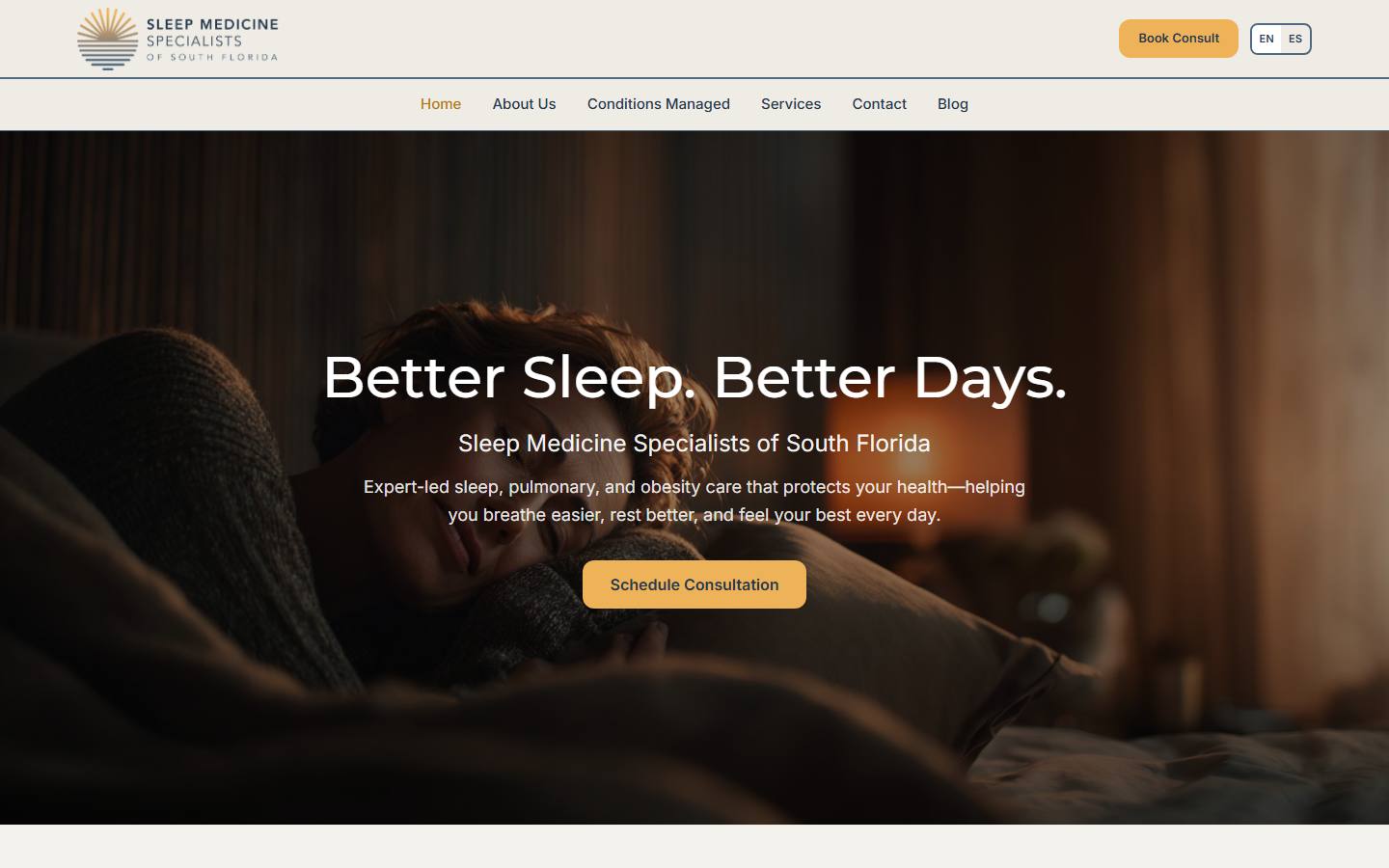
See Sleep Medicine Specialists of South Florida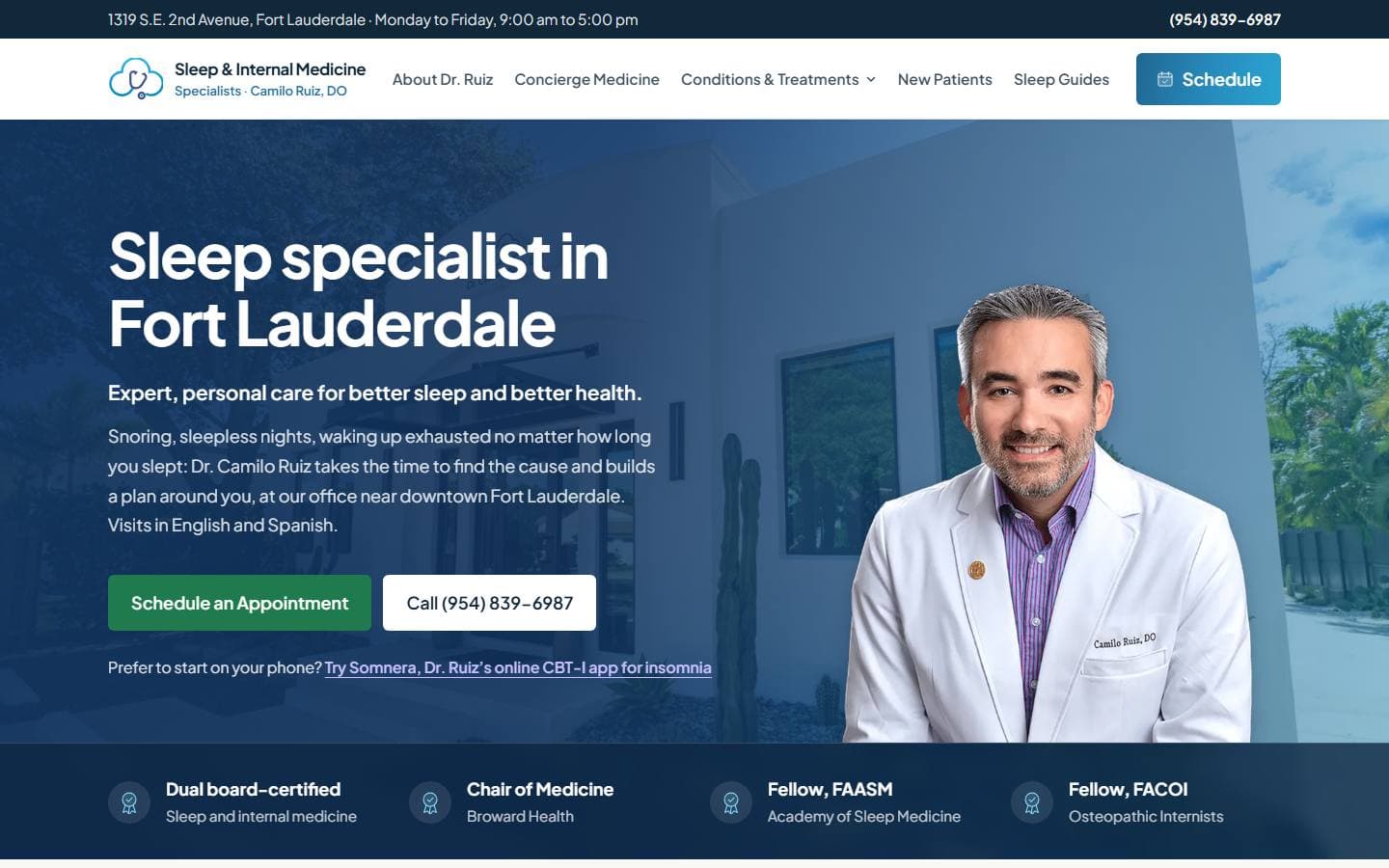
Galleries that work on a phone
Before-and-after photos organized by procedure, quick to browse on mobile, and published only with each patient's written authorization.
See Sleep & Internal Medicine Specialists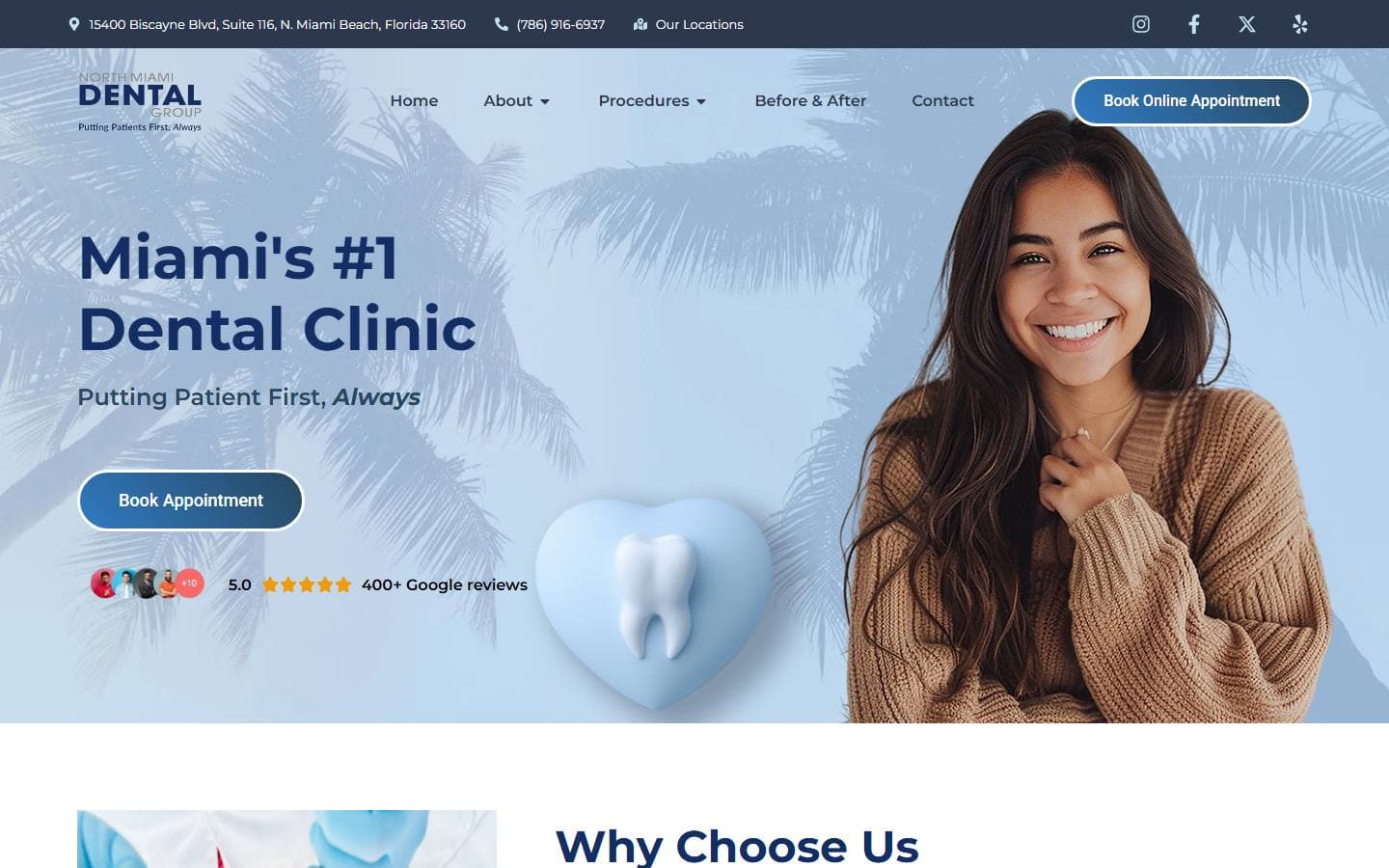
Credentials stated the right way
Board certification, training and hospital privileges shown clearly and accurately, matched across your site, Google and directories, so patients and AI tools describe you correctly.
See North Miami Dental GroupBefore you hire
What plastic surgery patients look for before they book.
Three things that decide which practice gets the consult.
Elective surgery is researched, not impulse-bought
Nobody books a rhinoplasty from a single ad. People research for weeks or months: they read procedure pages, compare surgeons, study galleries, read reviews, ask friends and now ask ChatGPT.
They want to know who the procedure suits, how long recovery takes, what the scar looks like, what the total cost might be and whether financing is available. A practice that answers those questions in plain words on its own site keeps the person reading there instead of on a forum or a competitor's page.
That's why each procedure deserves its own page, written for the person considering it, reviewed by the surgeon, and linked to the matching gallery and reviews. Those same pages are what Google ranks for procedure searches and what AI assistants quote when someone asks which surgeon to see, so the effort pays off in more than one place at once.
Before-and-after photos and patient privacy
The gallery is often the most visited part of a plastic surgery site, and it carries the most risk. A patient's photos are protected health information, and HIPAA requires the patient's written authorization before a practice uses them in marketing.
That covers the website gallery, social posts and ads alike. The same care applies to reviews: a reply that thanks someone for choosing you for their procedure confirms they're a patient, which is a privacy problem in itself.
We build galleries around signed authorizations, crop and present photos consistently so they're fair comparisons, and write review replies that are warm without confirming anything. Ad platforms add their own limits on before-and-after images and on wording about results, so ads are built separately from the gallery and point people to it rather than reproducing it.
Credentials patients can check
People choosing a surgeon look hard at credentials, and they're right to. Board certification by the American Board of Plastic Surgery, residency and fellowship training, hospital privileges and years in practice all help someone feel safe enough to book.
These details need to be stated accurately: some states, Florida among them, limit how physicians may advertise board certification, so the exact wording matters. They also need to match everywhere: the website, every Google profile, and directories patients and AI tools read.
When a surgeon's bio, profile and listings agree, Google and assistants like ChatGPT can describe the practice correctly and recommend it with confidence. When they disagree, or the bio is vague, the practice looks less established than it is.
Side by side
What separates plastic surgery marketing from the rest.
Compared with typical medical marketing.
Procedures
- Typical medical marketing
- One services page
- Built for plastic surgery
- A reviewed page for each procedure, linked to its gallery
Galleries
- Typical medical marketing
- A grid that's hard to use on a phone
- Built for plastic surgery
- Organized by procedure, built around signed authorizations
Credentials
- Typical medical marketing
- A short bio
- Built for plastic surgery
- Board certification and training stated accurately everywhere
Price questions
- Typical medical marketing
- "Call for pricing"
- Built for plastic surgery
- Honest ranges, what affects cost, and financing options
Ads
- Typical medical marketing
- Generic healthcare ads
- Built for plastic surgery
- Built within platform rules for cosmetic procedures
Follow-up
- Typical medical marketing
- Inbox checked next morning
- Built for plastic surgery
- Consult requests answered in minutes, with reminders
Reporting
- Typical medical marketing
- Clicks and leads
- Built for plastic surgery
- Consults and surgeries by procedure and channel
How it works
- STEP 1
Free audit
Your site, your Google profile and who outranks you.
- STEP 2
Plan and build
The pages, profiles and tracking your practice needs.
- STEP 3
Grow every month
New content, reviews and improvements, visible on your site.
- STEP 4
Report what matters
Calls, forms and booked patients, not just clicks.
Medical practices we work with
Trusted with patient-facing marketing.
Real sites we built and run. Tap any one for the full story.
Questions
What surgeons ask us first.
Have you worked with plastic surgeons before?
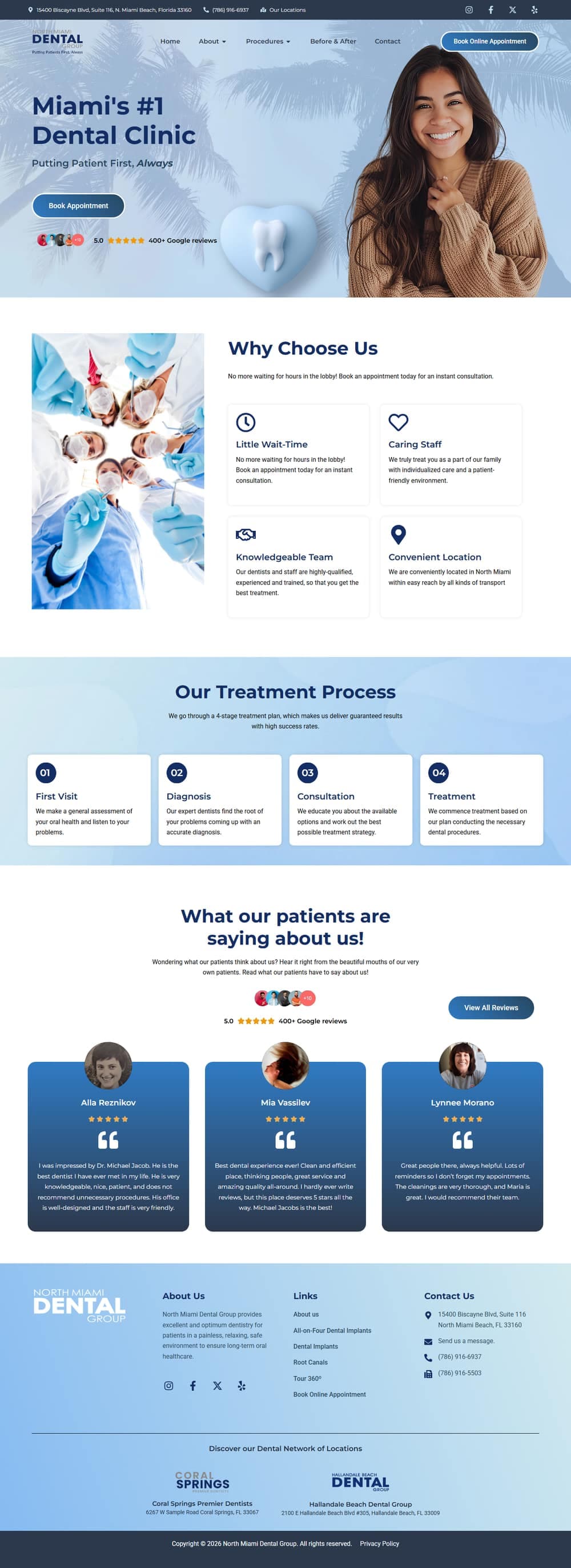
Not yet, and we'd rather say so. Our medical clients today are sleep medicine and dental practices in South Florida, where the same rules apply: careful wording, credentials stated accurately, patient privacy in reviews and tracking, and follow-up fast enough that consult requests don't go cold.
Can we use before-and-after photos in ads?
On your website, yes, with each patient's written authorization. In ads, the platforms restrict before-and-after images and claims about results, so we build ads that follow those rules and send people to your gallery to see the full picture.
Should we publish prices?
Usually a range, yes. Patients compare costs early, and a page that explains what affects the price and what financing is available keeps them reading rather than leaving to find a number elsewhere. The exact quote still comes at the consultation.
How do you keep patient information private?
Forms collect only what's needed to book a consult, patient details stay out of ad and analytics tools, photos are used only with signed authorization, and we sign a business associate agreement where patient information is involved.
Do you work with practices outside Florida?
Yes. We're based in Fort Lauderdale and work with practices anywhere in the US. We study the procedures, competitors and search terms in your area before changing anything.
How much does plastic surgery marketing cost?
It depends on your procedures, locations and how competitive your area is. After a free audit of your site, Google profiles and the practices outranking you, you get a monthly plan with ad spend paid directly to the platforms and no long contracts.
More for medical practices
Built for South Florida medical practices.
Based in Fort Lauderdale, working with practices nationwide.
Related industries
Free website report
See where your consult requests are going.
Drop your website and we'll email you a free report: who outranks you, what they do that you don't, and what to fix first.
Rather talk it through? Book a strategy call →